Men of Wisdom and Mad
All through the Quran the term “men of wisdom” (al-albab) is used 16 times. The opposite, “mad” (mecnun/cinnet) is also used 16 times in the …
All through the Quran the term “men of wisdom” (al-albab) is used 16 times. The opposite, “mad” (mecnun/cinnet) is also used 16 times in the …
We all know the relation between the “sun” and the “shadow.” The Quran also draws attention to this relation. All the derivatives of these related …
The words “to catch up” (derake), “to reach” (nall) and “to attain” (vasil) have very close meanings and all these words and their derivatives are …
The word “reproach” (malum) is used 14 times in the Quran with all its derivatives. The word “condemnation-stoning” (racim) which has a close meaning to …
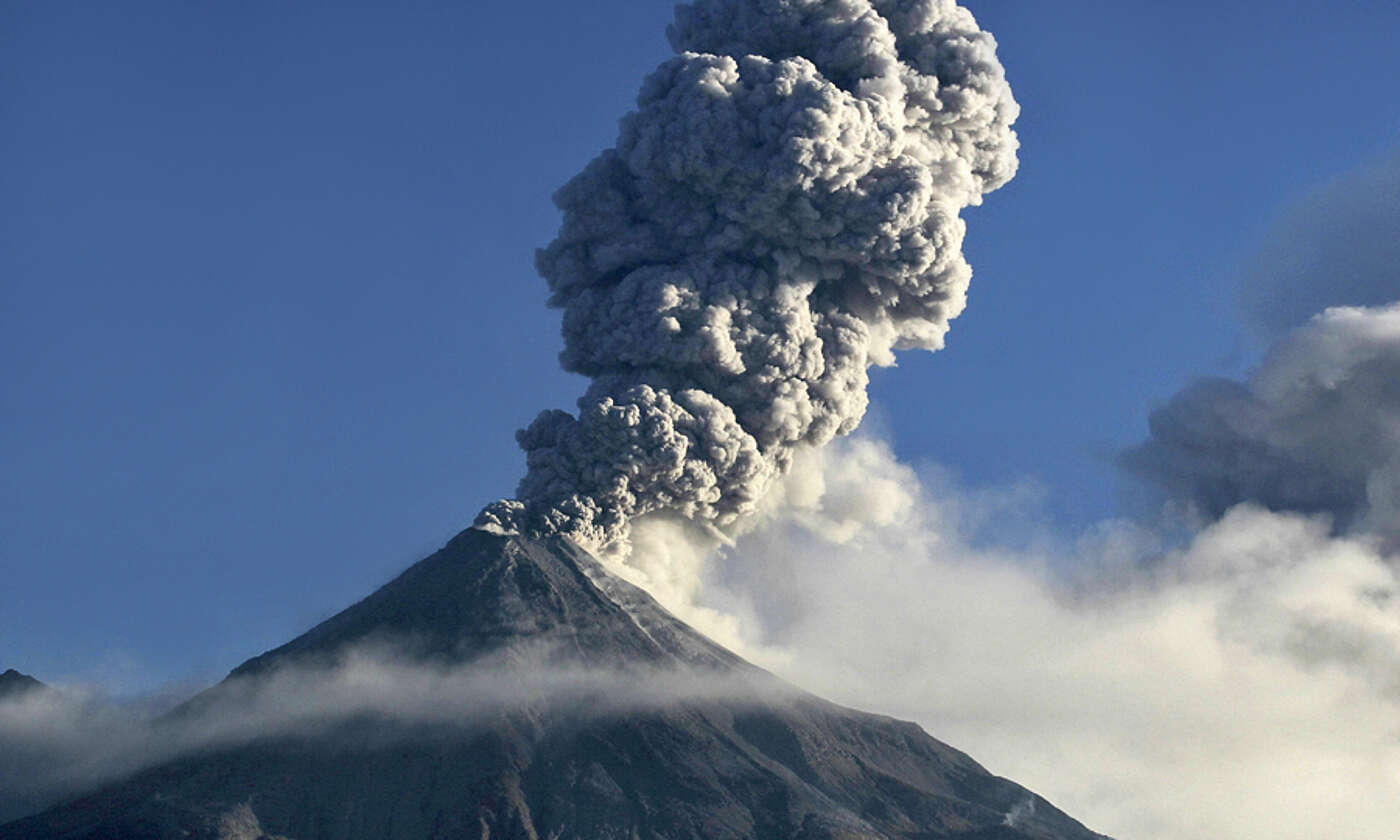
From the Quran, we learn that the people of Thamud were destroyed by a noise (sayha) sent upon them. So, we learn that there is …
The word “dayq,” which means “annoyance and distress,” and all of its derivatives are mentioned 13 times in the Quran. The opposite, “tatmaa” which means …
The word “sexual crime” (fahsha) and its derivatives are used 24 times in the Quran. The word “transgression” (baghy) and its derivatives are also used …
The word “shajar” which means “tree” and all of its derivatives are mentioned 26 times in the Quran. The word “nabaat” which means “plant” and …
The word “harasa” which refers to “sowing” is mentioned 14 times in the Quran. “Zara’a,” which means growing of the crops from the earth, is …
The word “sun” (shems) is used in the Quran 33 times with all its derivatives. A total of 32 of those are used with the …